

The Rider's Dilemma: Drying Your Helmet Fast
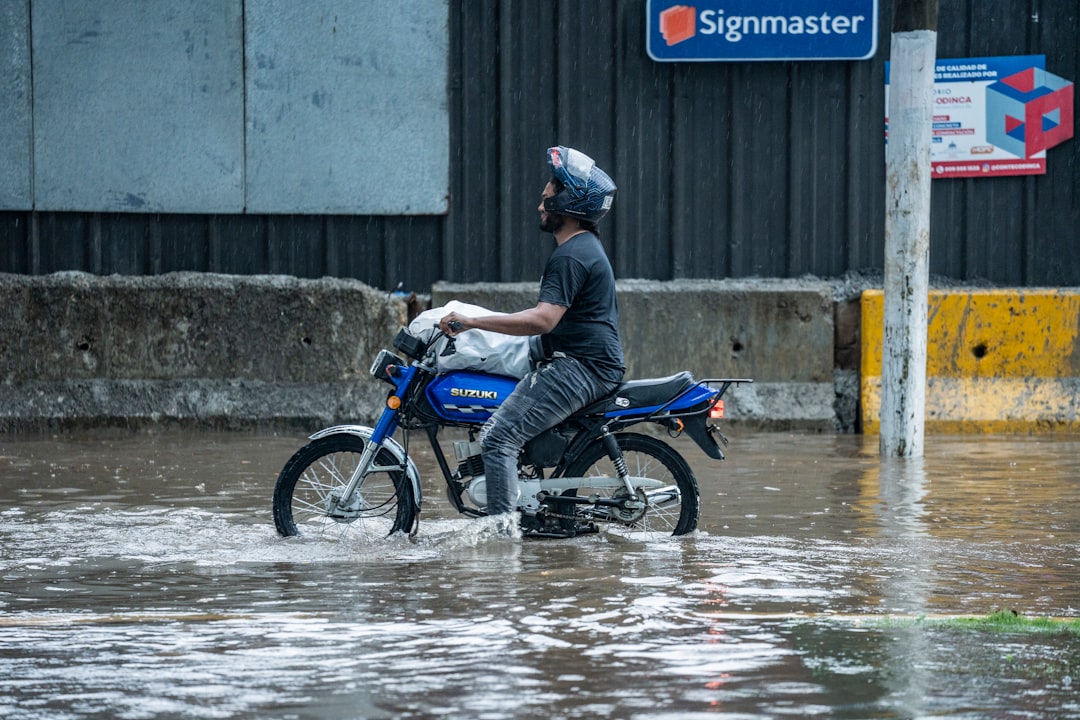
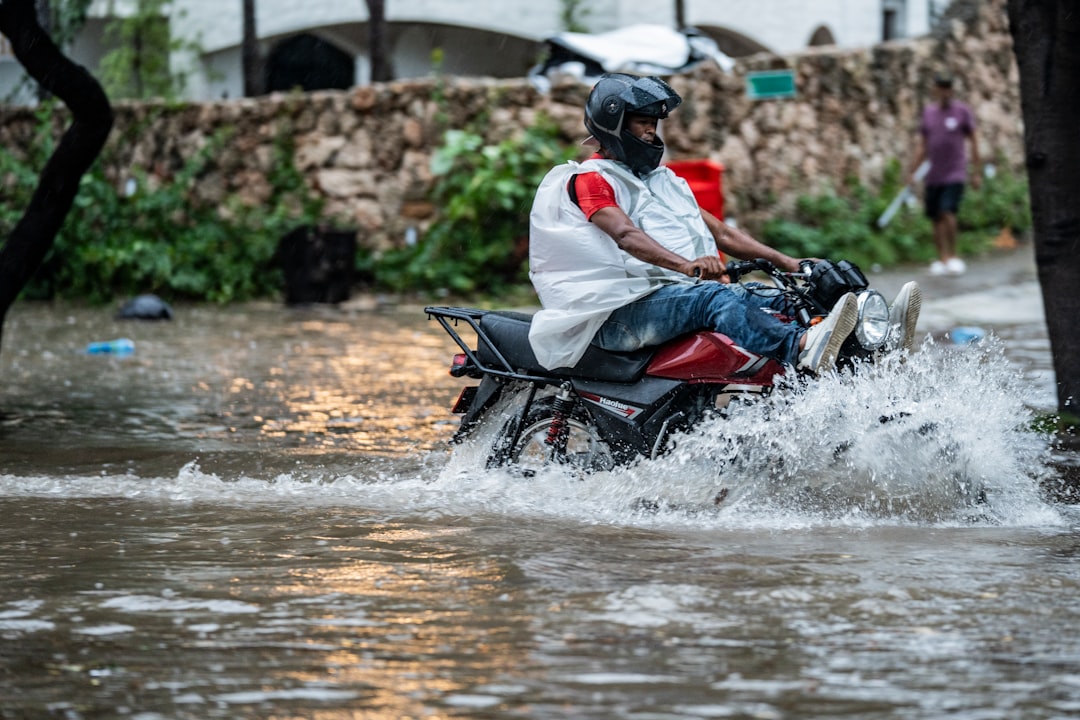
Riding in the rain can be exhilarating, but a soaked motorcycle helmet is a drag. A wet helmet is uncomfortable, can impair vision, and might even damage the internal components over time. Knowing how to properly and quickly dry your helmet is essential for any serious rider. This guide will provide tried-and-true methods to get you back on the road faster and with a dry, comfortable helmet.
Why Quick Drying Matters
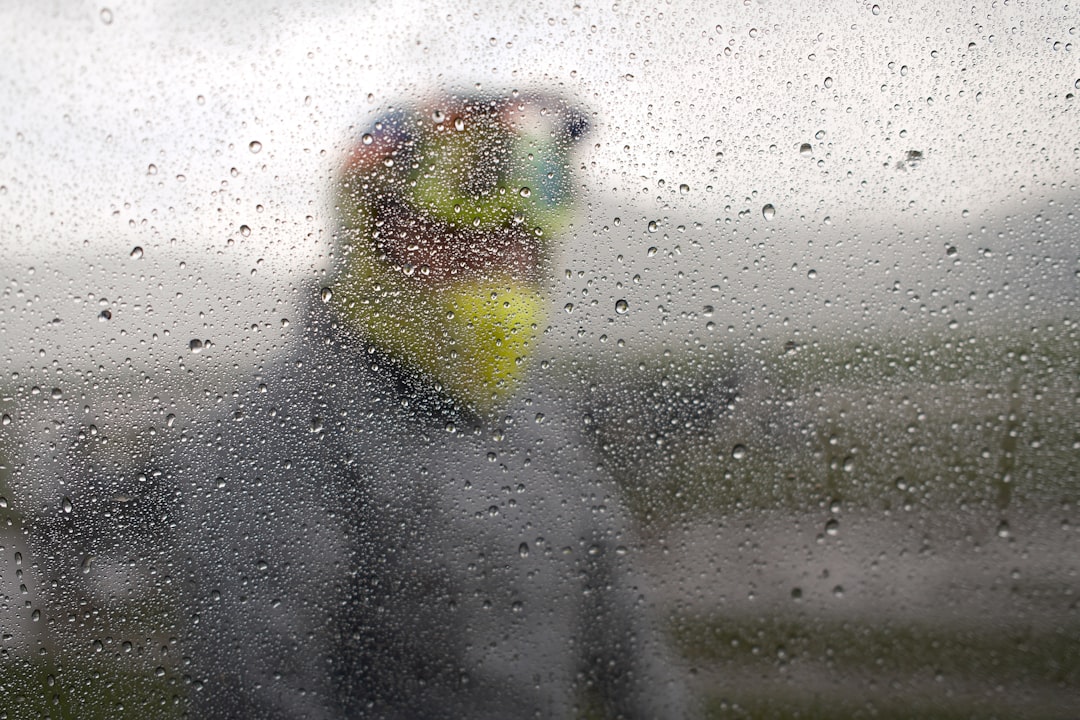
Beyond comfort, promptly drying your helmet impacts its longevity and your safety:
- Reduces Odor Build-up: Lingering moisture breeds bacteria, resulting in unpleasant smells.
- Prevents Mold & Mildew: A damp environment encourages fungal growth.
- Protects Internal Components: Moisture can damage EPS foam liners and electronic communication systems.
- Maintains Visor Clarity: Moisture can streak or fog the visor, diminishing visibility.
Effective Drying Methods
1. The Fan-Assisted Air Dry
This method combines natural air drying with increased airflow. Remove all detachable components – cheek pads, crown liner, and visor – and place them in front of a fan. A circulating fan significantly speeds up the evaporation process. Ensure the area is well-ventilated.
2. Towel Drying: The Initial Step
Before employing any other method, use a highly absorbent microfiber towel to gently pat down the helmet's exterior and interior. Avoid rubbing vigorously, as this can damage delicate surfaces. Focus on soaking up excess water first. OPlace Helmet Care kit comes with a specialized microfiber cloth perfect for this task.
3. Warm Air Circulation (Use with Caution!)
A source of gentle, warm air can accelerate drying. Important: Never use a high-heat source like a hairdryer on its highest setting. This can melt or warp the helmet's shell or damage the EPS liner. A warm (not hot) air setting, held at a distance, can be effective. Continuously monitor the helmet's temperature.
4. Desiccant Packs: Silent Water Absorbers
Placing desiccant packs (silica gel) inside the helmet's interior can help absorb residual moisture. These packs are commonly found in shoe boxes or electronic packaging. Replace them periodically as they become saturated.
5. Proper Storage for Post-Ride Drying
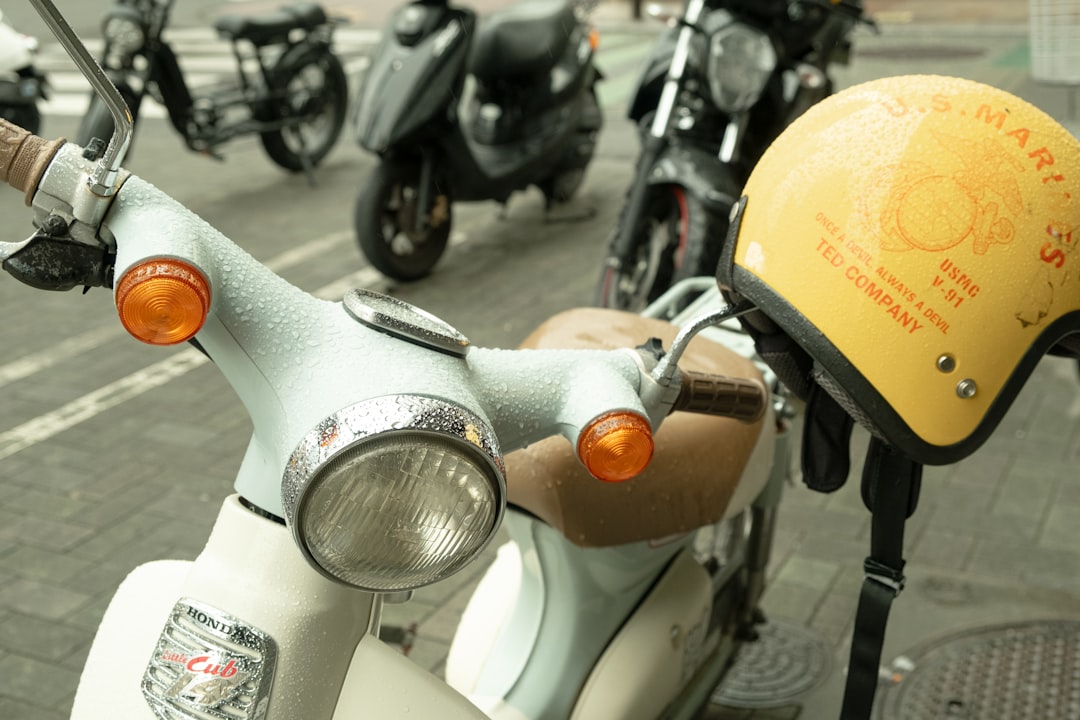
Even after a short ride in damp conditions, avoid storing your helmet in a closed bag or container. Allow it to air out in a well-ventilated area. A dedicated helmet stand can also promote airflow around the entire helmet.
What NOT to Do
- Avoid Direct Sunlight: Prolonged exposure to direct sunlight can fade the helmet's paint and degrade its materials.
- Don't Use a Clothes Dryer: The high heat and tumbling action will almost certainly damage your helmet.
- Never Use Harsh Chemicals: Solvents or strong detergents can weaken the helmet's shell and liner.
Maintaining Your Helmet for Longevity
Regular cleaning and proper drying are crucial for extending the life of your motorcycle helmet. By following these methods, you can ensure your helmet remains comfortable, safe, and ready for your next ride, rain or shine.


