Ausrüstungsführer
Helmet Care 101: Avoiding the Top 5 Mistakes That Ruin Your Gear
von
OPlace AI
An
Apr 19, 2026

Helmet Care 101: Avoiding Common Mistakes
Maintaining your helmet isn't just about aesthetics; it's crucial for safety and longevity. Riders often unknowingly make mistakes that can compromise their helmet's protective capabilities and shorten its lifespan. Let's dive into the top 5 mistakes to avoid.
1. Ignoring Moisture: The Silent Killer
Sweat, rain, and humidity are your helmet's enemies. Trapped moisture breeds bacteria and mold, degrading the inner padding and causing unpleasant odors. Properly drying your helmet after each ride is essential. Even seemingly 'dry' rides can leave residual moisture. Consider a dedicated
helmet dryer to efficiently remove moisture and prevent damage.
2. Harsh Cleaning Agents: Stripping Away Protection
Using harsh chemicals, solvents, or abrasive cleaners can damage the helmet's shell and visor. These chemicals can weaken the shell's structural integrity or cause the visor to become brittle and prone to shattering. Always use mild soap and water or helmet-specific cleaning products. Microfiber cloths are your best friend for gentle cleaning.
3. Improper Storage: Bumps, Bruises, and UV Damage
Tossing your helmet onto a hard surface or leaving it exposed to direct sunlight are common storage mistakes. Impacts, even seemingly minor ones, can compromise the EPS liner's ability to absorb energy in a crash. UV radiation degrades the shell over time, making it more brittle. Store your helmet in a padded bag in a cool, dry place away from direct sunlight.
4. Overlooking Padding and Liner Maintenance
The helmet's padding and liner absorb sweat and oils, becoming breeding grounds for bacteria. Regularly remove and wash the padding and liner according to the manufacturer's instructions. This not only keeps your helmet fresh but also helps maintain its proper fit and comfort. If the padding is worn out or compressed, consider replacing it for optimal protection.
5. Exceeding the Helmet's Lifespan: Knowing When to Replace
Helmets have a limited lifespan, typically 3-5 years from the date of manufacture, regardless of how often they're used. The materials degrade over time due to UV exposure, sweat, and environmental factors. Additionally, the EPS liner compresses with each impact, even if it's not visibly damaged. Always replace your helmet after a crash, even if there's no visible damage, and replace it every 3-5 years, or as recommended by the manufacturer.
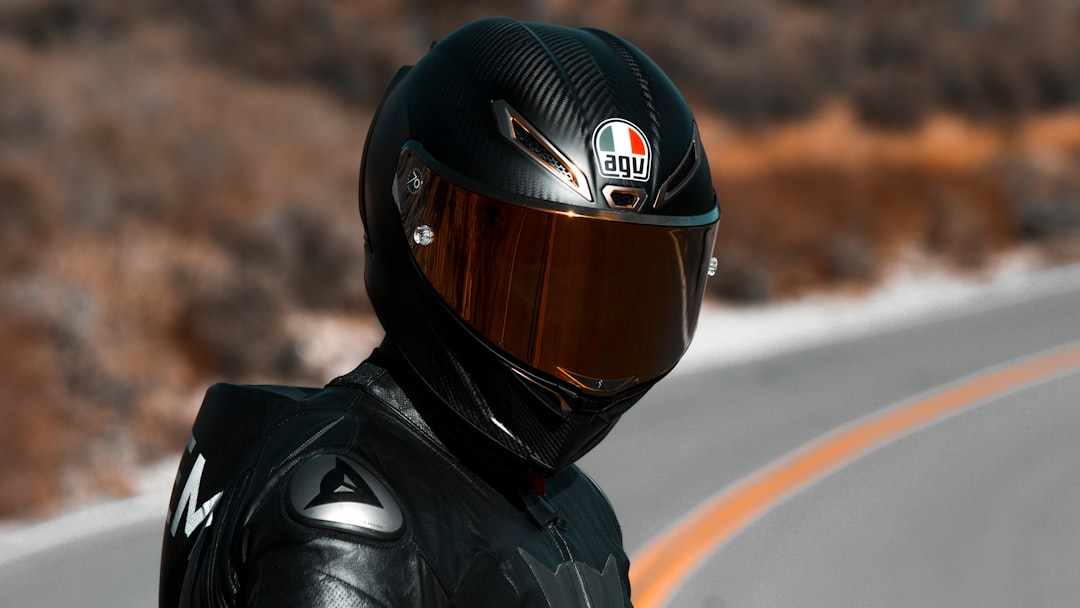
Proper helmet care is not only a matter of hygiene; it's a crucial safety measure. By avoiding these common mistakes, you can extend the life of your helmet and ensure it provides the best possible protection.
Ready to take your riding gear to the next level? Explore the OPlace series for solutions designed to maintain and optimize your equipment, starting with a reliable
helmet dryer for superior helmet hygiene and longevity.


