

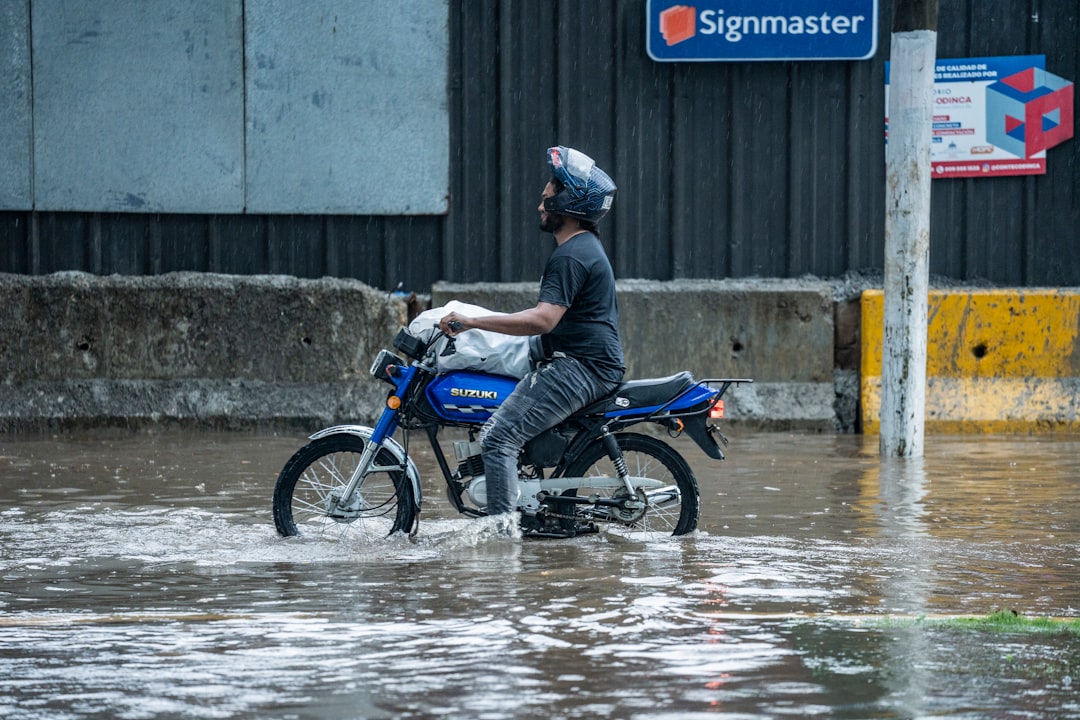
The Rider's Dilemma: Drying Your Helmet After a Downpour
A sudden rainstorm can leave your motorcycle helmet soaked, creating an uncomfortable and potentially unhygienic riding experience. Beyond the immediate discomfort, a damp helmet breeds mildew and bacteria, jeopardizing your health and shortening the lifespan of your gear. Fortunately, there are several techniques to efficiently dry your helmet and get back on the road swiftly.
Effective Methods for Drying Your Motorcycle Helmet
Maximize Air Circulation
Proper airflow is crucial. Start by removing the helmet's inner lining and cheek pads. These absorb a significant amount of moisture and will dry faster separately. Here's how to enhance air circulation:
- Place the helmet and its components in a well-ventilated area. A spot with a gentle breeze is ideal.
- Use a fan to circulate air around the helmet and its parts. Position the fan to blow air into the helmet's opening.
- Avoid direct sunlight, as it can damage the helmet's outer shell and internal components over prolonged exposure.
Utilize Absorbent Materials
Employing absorbent materials can expedite the drying process. Consider these options:
- Stuff the helmet's interior with newspaper or paper towels. These materials will soak up moisture. Replace them periodically as they become saturated.
- Microfiber towels are excellent for wicking away moisture from the helmet's shell and lining. Gently pat the surfaces to absorb water.
Gentle Heat Application (Use with Caution)
While heat can accelerate drying, it's essential to proceed with caution. Excessive heat can damage the helmet's materials. Adhere to these guidelines:
- Use a hairdryer on a low, cool setting. Keep the hairdryer moving and maintain a safe distance to prevent overheating.
- A dedicated helmet dryer is a safe and efficient option. These devices are designed to provide controlled airflow and gentle warmth.
Specialized Helmet Care Products
Certain products are formulated to keep your helmet fresh and dry. OPlace's Helmet Care solutions offer antimicrobial properties, which may help prevent mildew from forming inside the helmet after exposure to moisture. These are especially useful if you frequently ride in wet conditions.
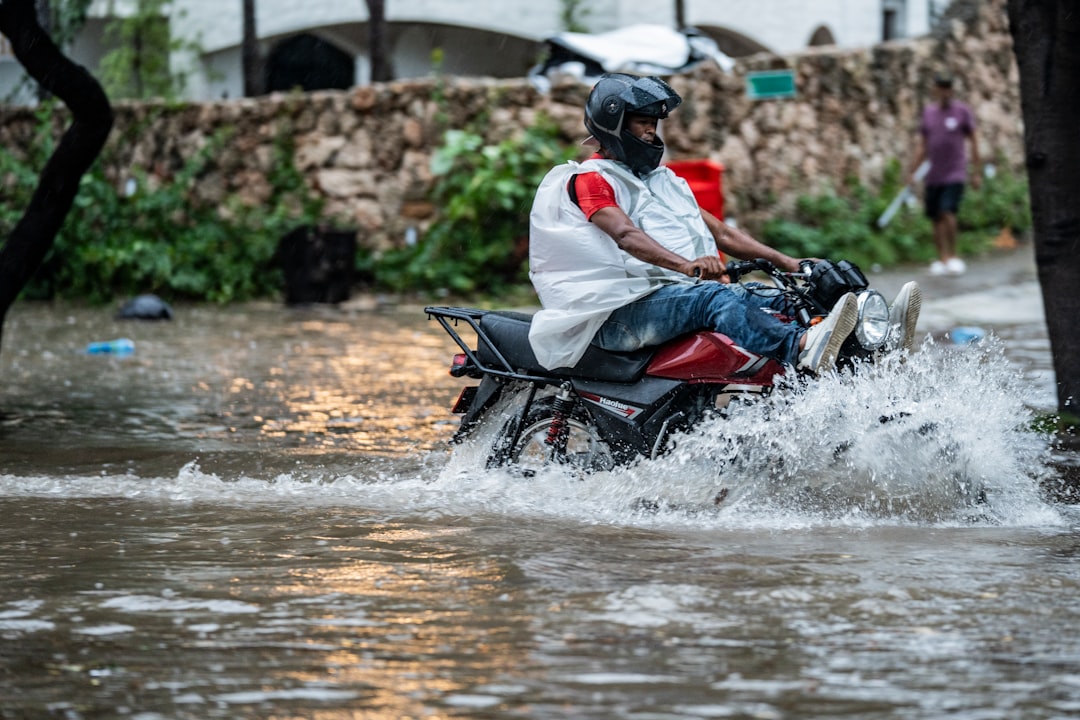
Preventative Measures for a Dry and Fresh Helmet
Proactive steps can minimize the need for extensive drying. Consider these strategies:
- Apply a water-repellent coating to the helmet's visor. This will improve visibility in the rain and reduce water accumulation.
- Carry a helmet cover to shield your helmet from rain when parked.
- Regularly clean your helmet's interior to remove sweat and dirt, which can contribute to moisture buildup.
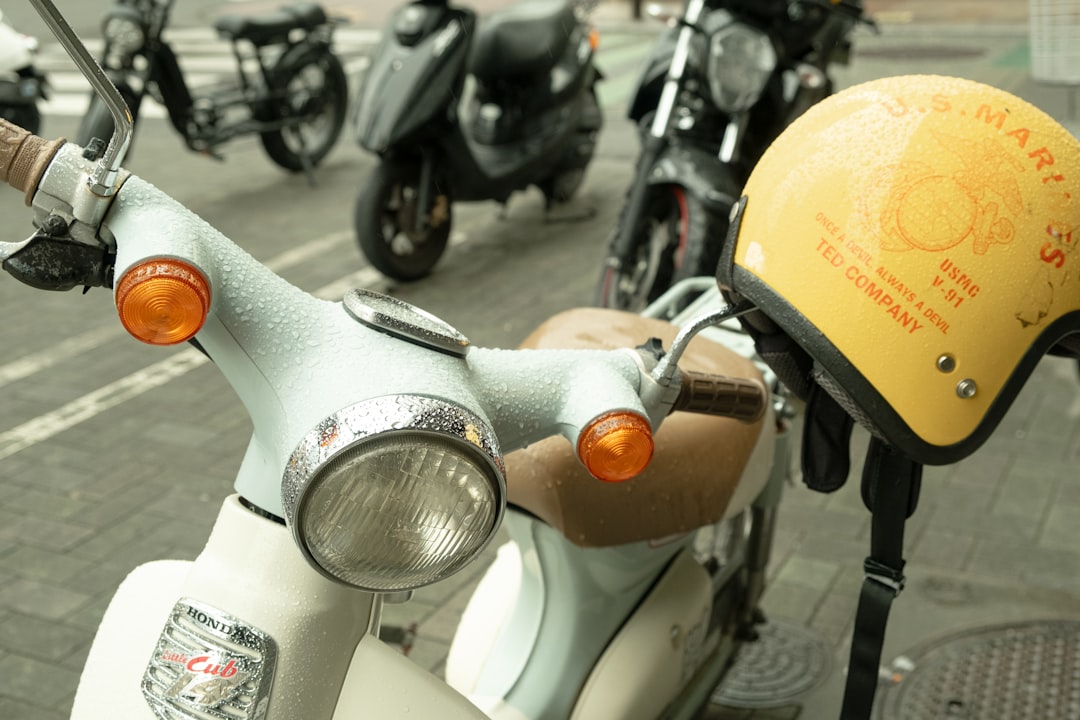
Conclusion: Staying Dry and Safe on the Road
A wet motorcycle helmet is more than just an annoyance; it can compromise your comfort, hygiene, and safety. By implementing these drying techniques and preventative measures, you can ensure your helmet remains dry, fresh, and ready for your next ride. Remember to prioritize safety and use caution when applying heat to avoid damaging your valuable gear. A well-maintained helmet is a crucial element of a safe and enjoyable riding experience.


