Guide all'attrezzatura
Optimizing Motorcycle Helmet Fit: A Comprehensive Guide
di
OPlace
SU
Apr 07, 2026

Understanding Motorcycle Helmet Fit: The Key to Safety
A motorcycle helmet is more than just an accessory; it's a crucial piece of safety equipment. A helmet that fits poorly can significantly reduce its effectiveness in the event of an accident. Ensuring a proper fit is paramount for your protection on the road.
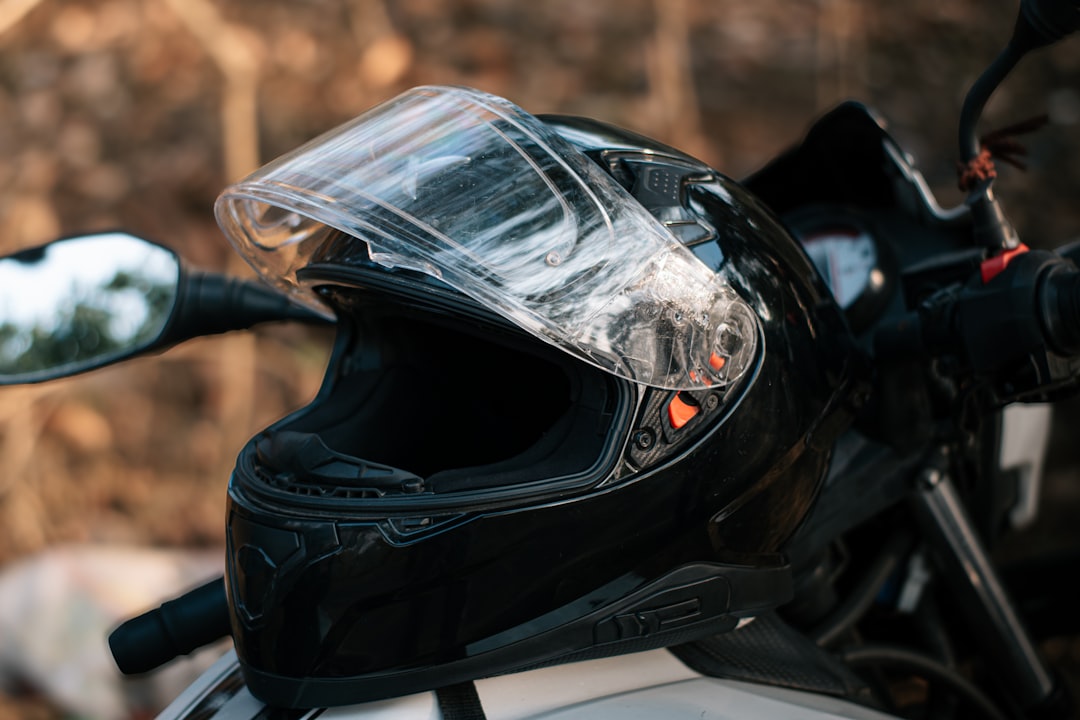
Why Proper Helmet Fit Matters
*
Enhanced Safety: A snug fit prevents the helmet from shifting during impact, maximizing its ability to absorb energy.
*
Improved Comfort: A properly sized helmet reduces pressure points and wind noise, making your ride more enjoyable.
*
Reduced Fatigue: A secure fit minimizes distractions, allowing you to focus on the road.

Measuring Your Head for a Motorcycle Helmet
Before purchasing a helmet, accurately measuring your head is vital. Here's how:
*
Use a flexible measuring tape.
*
Measure around the largest part of your head. This is usually about an inch above your eyebrows and ears.
*
Record the measurement in centimeters or inches.
*
Consult the helmet manufacturer's sizing chart. Sizing can vary between brands.

Choosing the Right Helmet Size
Helmet sizes are typically expressed as small, medium, large, etc. Use your head measurement and the manufacturer's sizing chart to determine the appropriate size. When trying on a helmet, ensure it:
* Sits squarely on your head, covering your forehead.
* Feels snug but not overly tight.
* Doesn't move excessively when you shake your head.
Checking the Fit: The Roll-Off Test
After putting the helmet on and fastening the chin strap, try to roll the helmet off by pushing upwards from the back. If the helmet comes off, it's too large.
Adjusting Your Motorcycle Helmet for a Perfect Fit
Even with the correct size, minor adjustments might be needed. Many helmets feature:
*
Cheek pads: Thicker or thinner cheek pads can customize the fit around your cheeks.
*
Liners: Some helmets offer adjustable liners for a more precise fit on top of your head.
*
Chin straps: Always ensure the chin strap is properly tightened. You should be able to fit no more than two fingers between the strap and your chin. Consider using OPlace's helmet communicator to ensure a secure and comfortable fit while enjoying your favorite music or GPS navigation.
Signs of an Improperly Fitting Helmet
*
Pressure points: Hot spots or areas of discomfort indicate the helmet is too tight in those locations.
*
Excessive movement: The helmet should not move freely on your head.
*
Looseness: If the helmet feels loose, even after tightening the chin strap, it's too large.
Maintaining Your Motorcycle Helmet for Longevity
A well-maintained helmet will provide optimal protection and last longer. Here are some tips:
*
Clean your helmet regularly: Use mild soap and water to clean the shell and liner.
*
Store your helmet properly: Keep it in a cool, dry place away from direct sunlight. A helmet bag is a great option.
*
Replace your helmet after an impact: Even if there's no visible damage, the helmet's protective qualities may be compromised.
*
Replace your helmet every 3-5 years: The materials in the helmet degrade over time, reducing its effectiveness.
By following these guidelines, you can ensure that your motorcycle helmet fits properly, providing you with the safety and comfort you need on every ride.


