


El dilema del motociclista: secar tu casco rápidamente
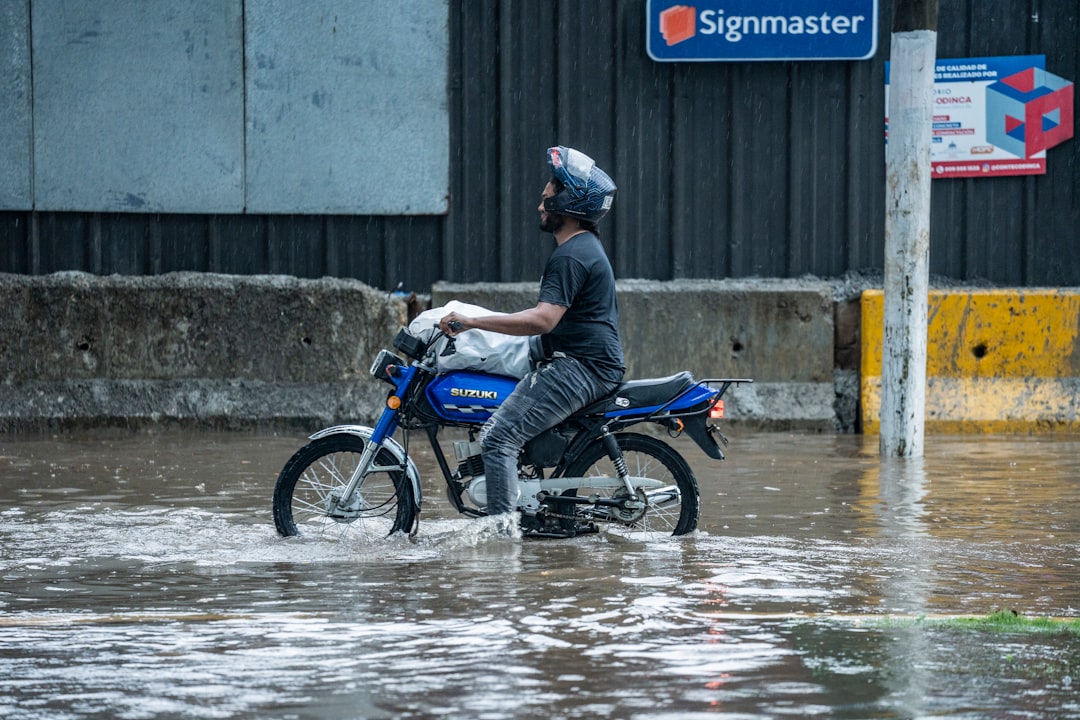
Conducir bajo la lluvia puede ser emocionante, pero un casco de motocicleta empapado es un fastidio. Un casco mojado es incómodo, puede dificultar la visión e incluso puede dañar los componentes internos con el tiempo. Saber cómo secar tu casco de manera adecuada y rápida es esencial para cualquier motociclista serio. Esta guía proporcionará métodos probados para que vuelvas a la carretera más rápido y con un casco seco y cómodo.
Por qué es importante un secado rápido
Más allá de la comodidad, secar tu casco rápidamente afecta su longevidad y tu seguridad:
- Reduce la acumulación de olores: La humedad persistente genera bacterias, lo que provoca olores desagradables.
- Previene el moho y los hongos: Un ambiente húmedo fomenta el crecimiento de hongos.
- Protege los componentes internos: La humedad puede dañar los revestimientos de espuma EPS y los sistemas de comunicación electrónica.
- Mantiene la claridad de la visera: La humedad puede manchar o empañar la visera, disminuyendo la visibilidad.
Métodos de secado efectivos
1. Secado al aire con ventilador
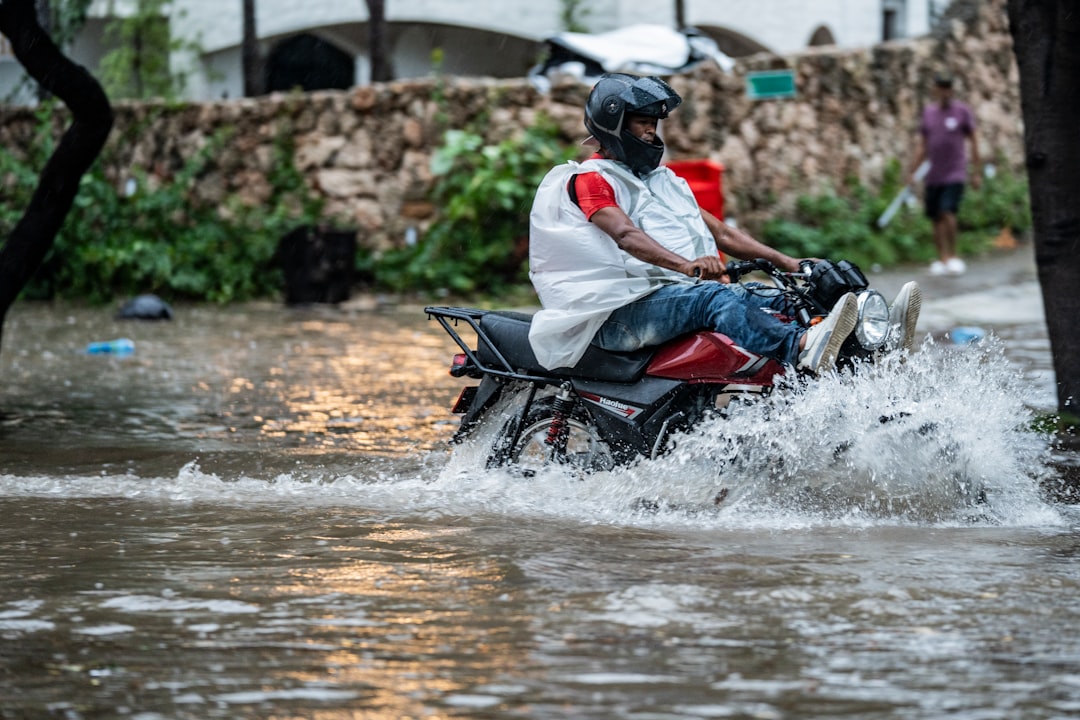
Este método combina el secado al aire natural con un mayor flujo de aire. Retira todos los componentes desmontables (almohadillas de las mejillas, forro de la corona y visera) y colócalos frente a un ventilador. Un ventilador circulante acelera significativamente el proceso de evaporación. Asegúrate de que el área esté bien ventilada.
2. Secado con toalla: el paso inicial
Antes de emplear cualquier otro método, utiliza una toalla de microfibra altamente absorbente para secar suavemente el exterior y el interior del casco. Evita frotar vigorosamente, ya que esto puede dañar las superficies delicadas. Concéntrate en absorber el exceso de agua primero. El kit de cuidado del casco OPlace viene con un paño de microfibra especializado perfecto para esta tarea.
3. Circulación de aire caliente (¡Úsalo con precaución!)
Una fuente de aire suave y cálido puede acelerar el secado. Importante: Nunca uses una fuente de calor alta como un secador de pelo en su configuración más alta. Esto puede derretir o deformar la carcasa del casco o dañar el revestimiento de EPS. Una configuración de aire cálido (no caliente), mantenida a distancia, puede ser efectiva. Monitorea continuamente la temperatura del casco.
4. Paquetes desecantes: absorbentes de agua silenciosos
Colocar paquetes desecantes (gel de sílice) dentro del casco puede ayudar a absorber la humedad residual. Estos paquetes se encuentran comúnmente en cajas de zapatos o envases electrónicos. Reemplázalos periódicamente a medida que se saturen.
5. Almacenamiento adecuado para el secado después del viaje
Incluso después de un viaje corto en condiciones húmedas, evita guardar el casco en una bolsa o recipiente cerrado. Permite que se ventile en un área bien ventilada. Un soporte de casco dedicado también puede promover el flujo de aire alrededor de todo el casco.
Qué NO hacer
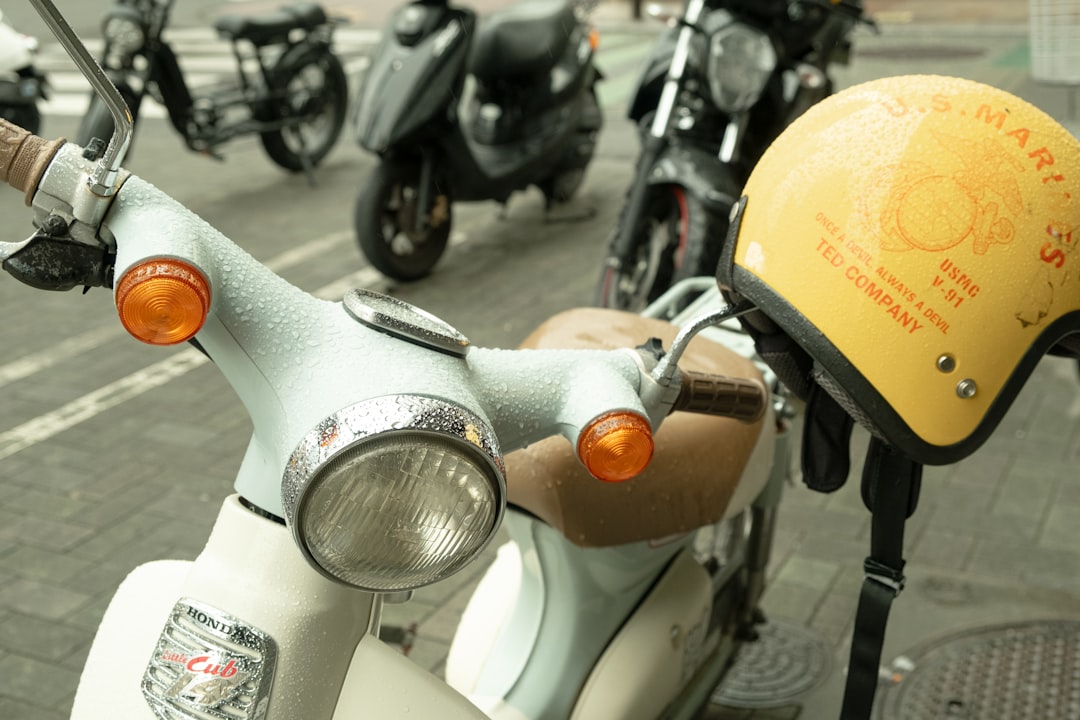
- Evita la luz solar directa: La exposición prolongada a la luz solar directa puede decolorar la pintura del casco y degradar sus materiales.
- No uses una secadora de ropa: El calor intenso y la acción de volteo casi con certeza dañarán tu casco.
- Nunca uses productos químicos agresivos: Los disolventes o detergentes fuertes pueden debilitar la carcasa y el forro del casco.
Mantenimiento de tu casco para una mayor longevidad
La limpieza regular y el secado adecuado son cruciales para prolongar la vida útil de tu casco de motocicleta. Siguiendo estos métodos, puedes asegurarte de que tu casco permanezca cómodo, seguro y listo para tu próximo viaje, llueva o haga sol.
0 comentarios