Anti-Fog Showdown: Helmet Coating vs. Pinlock - Which Reigns Supreme?

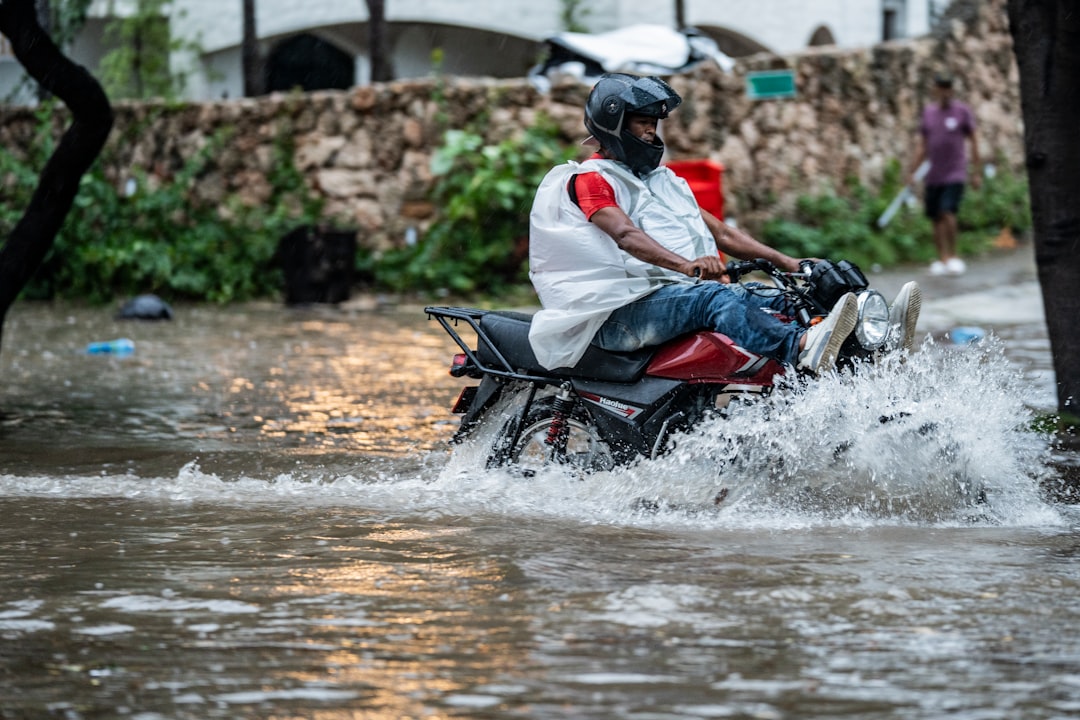
The Foggy Dilemma: Solving Visibility Issues with Full Face Helmets
Riding with a fogged-up visor is not only irritating but downright dangerous. Full face helmets, while offering superior protection, can trap humidity, leading to compromised vision. Two popular solutions rise above the rest: anti-fog coatings and Pinlock systems. But which one truly offers the best performance?
Anti-Fog Coating: A Factory-Applied Solution
Anti-fog coatings are typically applied to the inside of a helmet's visor during manufacturing. They work by reducing the surface tension of water, causing moisture to spread into a thin, transparent film rather than forming obstructive droplets.
Advantages of Anti-Fog Coatings:
-
Convenience: Integrated directly into the visor.
-
Cost-Effective: Often included in the base price of the helmet.
-
Minimal Maintenance: Requires less upkeep than some alternatives.
Disadvantages of Anti-Fog Coatings:
-
Durability Issues: Coatings can wear off over time with cleaning and abrasion.
-
Limited Effectiveness: Performance may degrade under extreme conditions.
-
Cleaning Restrictions: Some cleaning products can damage the coating.
Pinlock System: A Dual-Pane Advantage
The Pinlock system utilizes a secondary, inner lens that attaches to the main visor via two adjustable pins. This creates an airtight seal, forming an insulating air gap that prevents condensation from forming on the inner surface.
Advantages of Pinlock Systems:
-
Superior Fog Resistance: Highly effective even in cold and humid weather.
-
Replaceable Lens: The Pinlock insert can be replaced if damaged or worn.
-
Tunable Performance: Adjustable pins allow for a customized fit.
Disadvantages of Pinlock Systems:
-
Installation Required: Needs to be correctly installed to function optimally.
-
Potential for Distortion: If not properly fitted, distortion can occur.
-
Additional Cost: Often sold separately from the helmet.

Performance Comparison: Coating vs. Pinlock in Action
In moderate conditions, a good anti-fog coating may suffice. However, for riders who frequently encounter challenging weather, a Pinlock system provides a more reliable and robust solution. Pinlock excels in situations where coatings tend to fail. An integrated sun visor is also helpful for dealing with changing light conditions; some OPlace helmets include this feature along with Pinlock compatibility, offering a complete solution for varied riding conditions.
Making the Right Choice for Your Needs
The best choice between an anti-fog coating and a Pinlock system depends on your riding habits and climate. If you primarily ride in mild weather, an anti-fog coating might be sufficient. For those who demand the highest level of fog resistance, especially in colder or wetter environments, Pinlock is the clear winner. Consider factors like budget, ease of use, and long-term performance when making your decision.


0 comentarios